
Off-peak savings don’t have to be this hard…
The real future of energy isn’t using less, it’s using it at the right time
For years, the advice around energy has been simple: turn things off, use less, cut back. But that idea is quickly becoming outdated. A new reality is emerging: energy prices aren’t just rising; they’re becoming more dynamic, more dependent on when you use electricity, not just how much. And that means the biggest change households can make isn’t living in the dark.
It’s learning to live out of sync with peak demand.
The shift that’s already happening
With all the latest analysis on energy price forecasts, one theme is clear: volatility is here to stay. Wholesale costs, especially those tied to gas, are still driving prices up and down, and households are increasingly exposed to that reality.
Time-of-use tariffs are no longer a niche idea. They’re becoming the system.
The logic is simple:
When demand is high (early evening), electricity is expensive
When demand is low (overnight), electricity is cheaper
But underneath that pricing is something more important.
👉 High demand periods often rely on gas power to support and top-up the grid
👉 Low demand periods are more likely to be powered by renewables like wind
So the price signal is also a carbon signal. And that’s where behaviour starts to matter.
A different kind of “energy efficiency”
Imagine two households using exactly the same amount of electricity over a year. One uses most of it between 5pm and 8pm, cooking, washing, charging devices, and running everything at once.
The other does something slightly different. The dishwasher runs after midnight. The washing machine is on a timer. An electric vehicle charges in the early hours. Hot water is heated overnight.
They haven’t reduced their energy use.But they’ve changed when they use it. And that shift alone means:
Less reliance on gas-fired electricity
Lower exposure to peak pricing
A quieter, steadier grid
In carbon terms, that can mean a 10–25% reduction in electricity-related emissions, without using any less energy at all.
Why this matters more as prices rise
Households are heading into a period where energy costs remain structurally high and unpredictable.That makes timing not just an environmental choice, but a financial one.
In the old system, you saved money by using less.
In the emerging system, you save money by using energy differently.
And crucially, this is one of the few changes households can make that:
Requires no major renovation
Doesn’t depend on government policy
Can start immediately
It’s behavioural, but powerful.
The reality check
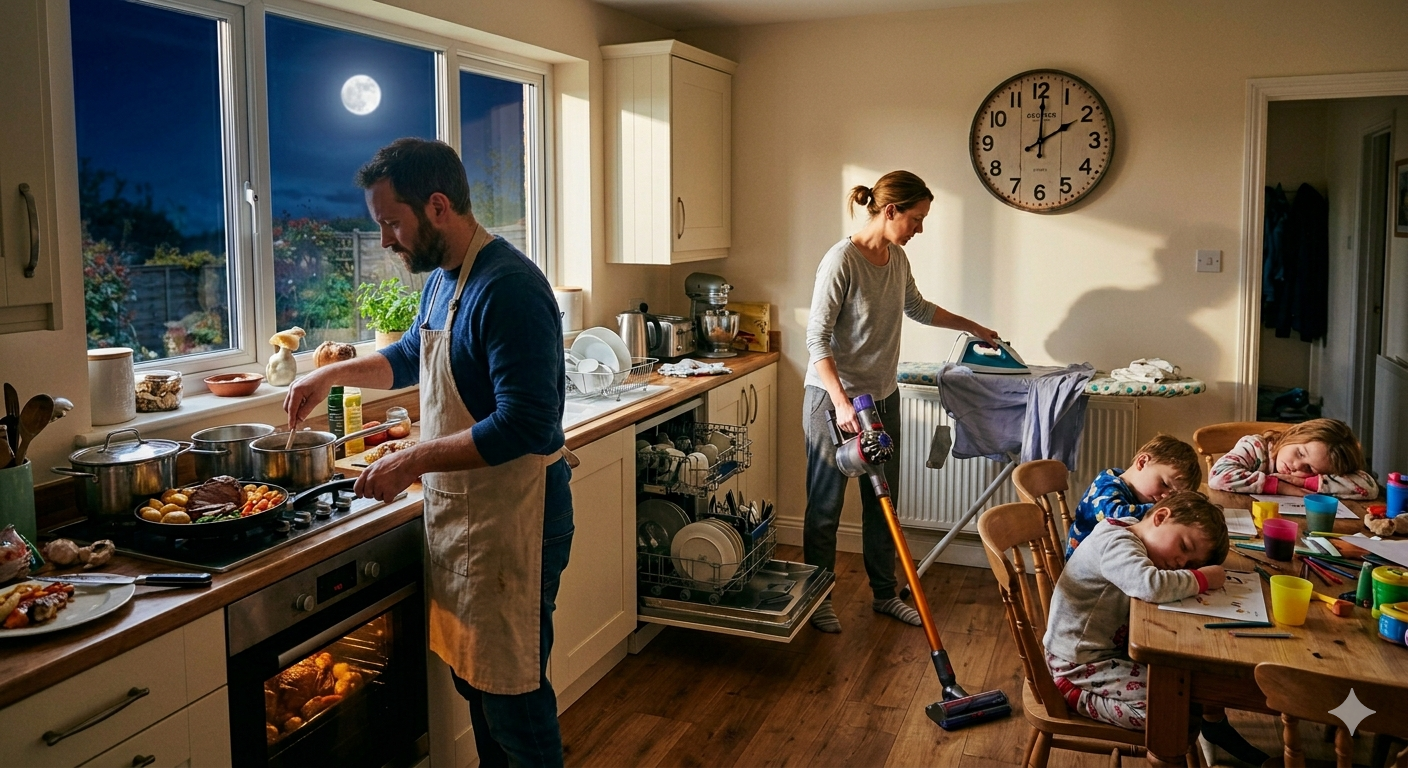
Of course, trying to live entirely off-peak without any storage is… absurd. Dinner at midnight. Showers at dawn. A household schedule dictated by tariff windows rather than real life. It quickly becomes clear that while the principle works, the lifestyle doesn’t.
Where this is really heading
The long-term solution isn’t turning everyone into night owls. It’s combining smarter timing with smarter technology:
Home batteries storing cheap, low-carbon electricity overnight
Electric vehicles acting as flexible storage
Smart appliances automatically shifting usage
In that world, you don’t notice the timing shift. But your bills, and your carbon footprint, do.
The deeper shift most people miss
What’s happening isn’t just a pricing tweak. It’s a fundamental change in how we think about energy.
For decades, electricity was always available, always the same.
Now it’s becoming: variable, time-sensitive, and responsive to supply.
And that means the most important habit isn’t restraint. It’s awareness.
The old energy advice was:
“Use less electricity.”
The new advice is:
“Use electricity at the right time.”
And as prices rise and the grid fills with renewables, that small shift may be the difference between simply coping with the future and actually benefiting from it.
At ESME, we help homeowners design smarter energy systems that maximise savings, so your home really is as cheap to run as it should be.
Want to calculate your savings? Just enter your postcode below, no need to give us any details if you don’t want to either. Have a look and see for yourself, and if you do want some help or advice on tariffs and storage, we would love to help.